

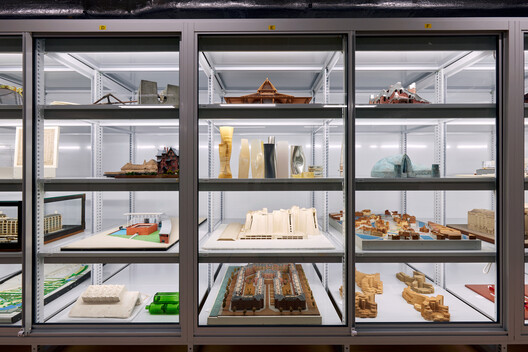
From projects, ideas, drawings, and sketches to photographs, models, material samples, and other documentation, these records embody years and memories of professional work responding to different needs, contexts, and purposes. Understanding that the architectural archive can serve as an effective method to inform and expand our understanding of collective intelligence, several foundations and architectural archives today take on multiple functions, extending their boundaries toward new horizons. Beyond preserving legacies and presenting them, they demonstrate the importance of promoting forward-looking cultural, social, and educational programs that engage younger generations in contemporary issues.


What role do architectural foundations and historical archives play in the production of contemporary architecture? How do they impact teaching and learning processes for new generations? Since architecture, like societies, is in a constant state of transformation, numerous documentation centers and institutions focus on safeguarding, conserving, and highlighting the ideals, thoughts, ideas, and projects that have given rise to a vast number of architectural works worldwide. However, on many occasions, their missions go beyond conservation and research to address the most pressing challenges facing cities. For example, the Jacques Rougerie Foundation seeks to foster the commitment of younger generations through the development of visionary, biomimetic artistic and architectural projects related to the realms of the Sea and Space, in connection with climate issues. In this way, it aims to raise awareness and encourage action to create new relationships between humans and their environment, to share knowledge and ideas, and to promote innovation in architecture, technology, and design.
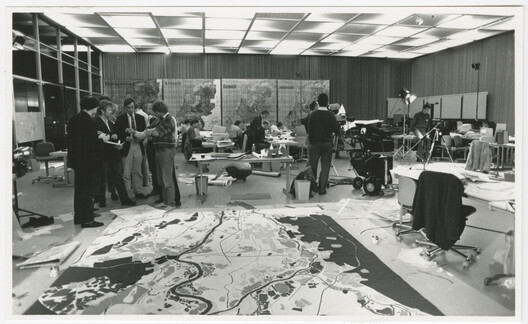
The heritage of the past constitutes one of the national resources for the future - Powell, Kenneth: "Les grandes rétrospectives du patrimoine," Monuments Historiques, no. 155, February-March 1988, pp. 83-86.
Professional archives enable the documentation and explanation of the genesis and development of projects, their construction, and the working processes of professionals. Drawings, plans, photographs of buildings, measurements, diagrams, budgets, and other documents constitute the record that allows us to reflect on the processes of materialization, coordination, and conceptualization that shape the architectural field. Just as the Enric Miralles Foundation safeguards the most comprehensive archive of the work of Enric Miralles and Benedetta Tagliabue, the Clorindo Testa Foundation is dedicated to preserving and disseminating the legacy of Clorindo Testa through the production and promotion of research projects, exhibitions, and educational activities, highlighting his artistic and architectural work alongside his ideas. By valuing the past, heritage becomes a source of inspiration and suggestion, of consultation and dissemination, enabling diverse perspectives from which to confront today’s needs related to the impact of climate change, sustainability, technological evolution, and more.
Transmitting a Legacy: Their Role in Architectural Education and Research
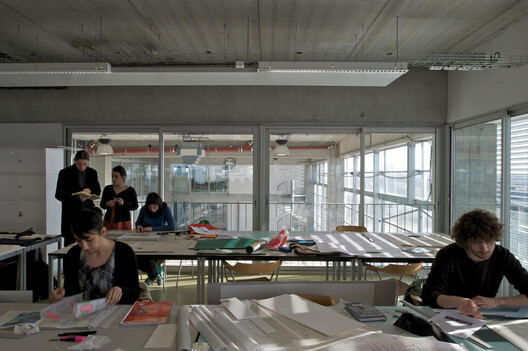
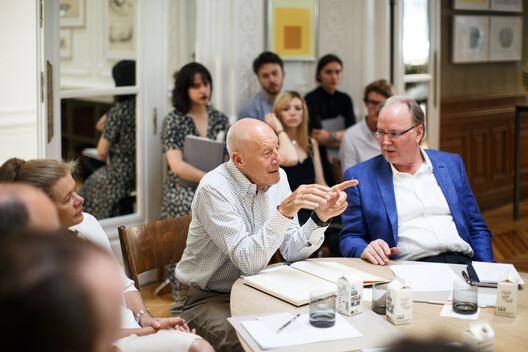
In line with advancements in the education of new generations and the evolution of teaching strategies, content planning today is enriched by new didactic resources and tools. Whether linked to other disciplines such as computer science, film, literature, geography, and more, the approach to architecture is framed as facilitating the understanding of concepts through dialogue with other areas that complement study and research. In fact, foundations established by architects such as the Zaha Hadid Foundation, the Norman Foster Foundation, and the SOM Foundation have introduced educational programs aligned with their missions. From scholarships and grants to the development of interdisciplinary academic programs and research collaborations, they aim to advance architectural discourse while fostering students’ engagement with the discipline.
The Arquia Foundation, for its part, also seeks to promote and disseminate projects of a cultural, social, welfare, professional, and educational nature in the fields of architecture, construction, design, and urbanism. By promoting architectural culture with the goal of improving the image of the architect and their work in society, it develops programs in collaboration with multiple cultural and social entities, among other actors. From professional or training scholarships for students to research grants and social programs, its work also encompasses a publishing record of more than 180 titles released in different series, dissemination platforms, and a documentation center consisting of its library, film archive, and periodicals archive, with more than 15,000 open-access resources available.
Rediscovering a Legacy: Recognitions and Debates in Dialogue with Contemporary Challenges
Congresses, conferences, and awards worldwide serve as promoters of spaces for integration, exchange, and reflection, keeping alive the debate on the impact of architecture and construction on societies. Beyond attending to the conservation and study of the Barcelona Pavilion and promoting the work of Mies van der Rohe, Lilly Reich, and the Modern Movement, the Mies van der Rohe Foundation encourages debate, dissemination, and awareness on contemporary architecture and urbanism. Among the many programs it develops, the most notable is the organization, together with the European Commission, of the European Union Prize for Contemporary Architecture – Mies van der Rohe Award, one of the most prestigious architectural prizes in Europe. Its purpose is to recognize and reward the quality of architectural production in Europe, with a particular focus on emerging architecture and young talent.
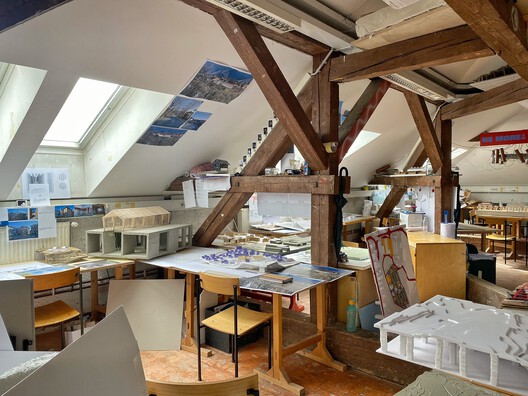
The Rogelio Salmona Foundation, meanwhile, develops cultural and educational projects to preserve and disseminate the ideas and work of Colombian architect Rogelio Salmona, while also engaging with the contemporary challenges of architecture and society. It created the Rogelio Salmona Latin American Architecture Prize: Open Spaces / Collective Spaces, which seeks to recognize built architectural works that generate meaningful civic spaces. The Foundation aims to highlight initiatives that promote the creation of inclusive open spaces in Latin America and the Caribbean.
Exhibiting a Legacy: Its Relevance in the Collective Memory
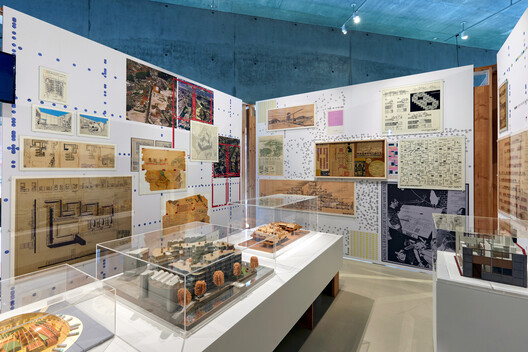
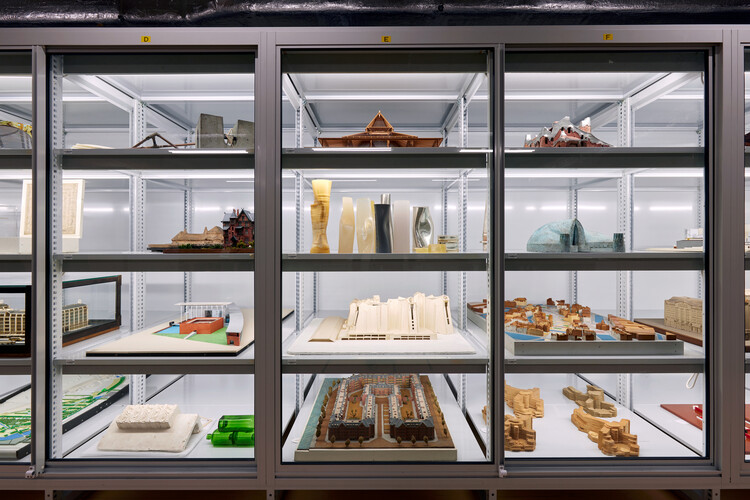
Integrating diverse voices in the dialogue about the future through the lessons of the past, the organization of exhibitions on architecture, design, and urbanism, together with the opening of debates and the promotion of research, creates a setting for connections and the exchange of ideas. For example, the Nieuwe Instituut in Rotterdam organized the exhibition “Designing the Netherlands: 100 Years of Past and Present Futures”, showcasing important historical precedents and new design proposals. The Nieuwe Instituut manages 700 archives and collections of Dutch architects, urban planners, professional associations, and educational institutions, amounting to approximately 4.5 million documents in total. By overseeing one of the world’s largest collections in the field of architecture, it functions as the national museum of the Netherlands and as the institute for architecture, design, and digital culture.
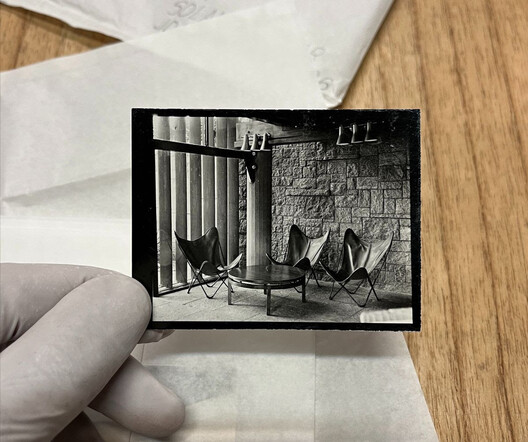
Meanwhile, Fundación IDA, an institution based in Buenos Aires dedicated to the recovery, appreciation, and preservation of Argentine design, both historical and contemporary, seeks to sustain a collection that testifies to the development of Argentina’s material culture by opening its archives for circulation in exhibitions and other public programs at both local and international levels. Addressing the cultural field of design in its main areas (industrial, graphic, apparel, and textile), it proposes a cross-disciplinary perspective on the discipline through partnerships with institutions, individuals, museums, universities, and other spaces to present its documentary units and collections. As the first design archive in Argentina, it aims to raise awareness of local design, protect cultural assets, and disseminate knowledge in design as part of building a national memory.
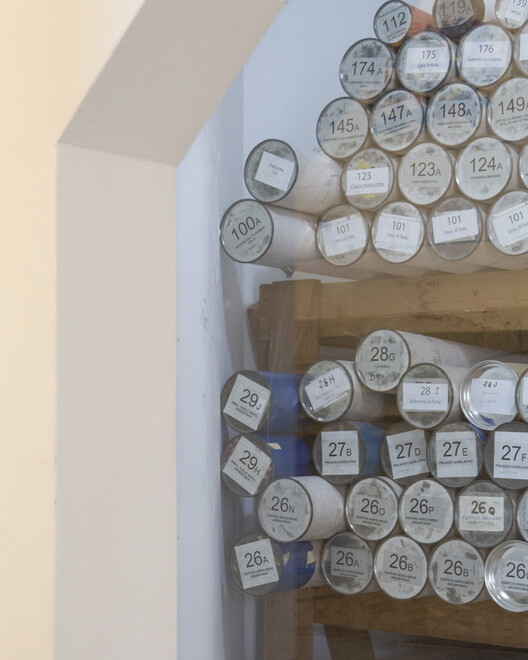
In short, today, numerous foundations and architectural archives receive support from multiple actors and agents to continue developing their functions in the service of researchers, students, and communities at large. Over the past decades, several archives of modern architects such as Le Corbusier, Mies van der Rohe, and Alvar Aalto have been opened to the public, advancing research on their work. Consultation of these sources has shown a significant impact on the quality and quantity of architectural production developed globally. Today, many private archives have also begun opening their doors, while others are in the process of being systematized or awaiting it. Recognizing the importance and value of these spaces of practice, research, and training in architecture makes possible new perspectives, debates, and reflections on the different movements and currents of thought that gave rise to so many internationally recognized projects.
This article is part of the ArchDaily Topics: Architecture Without Limits: Interdisciplinarity and New Synergies. Every month we explore a topic in-depth through articles, interviews, news, and architecture projects. We invite you to learn more about our ArchDaily Topics. And, as always, at ArchDaily we welcome the contributions of our readers; if you want to submit an article or project, contact us.


